Dialectical Behaviour Therapy for Eating (DBT)
Dialectical Behaviour Therapy (DBT) for eating disorders is an evidence-based treatment that helps people build healthier ways of coping with overwhelming emotions, distress, perfectionism, and impulsive behaviours that may contribute to binge eating, purging, restriction, or irregular eating patterns. DBT combines practical skills in mindfulness, emotion regulation, distress tolerance, and interpersonal effectiveness to support recovery while fostering self-compassion and behavioural change. Research suggests DBT can be particularly helpful for bulimia nervosa, binge eating disorder, and individuals with co-occurring emotional dysregulation or self-harm behaviours. Learn more about evidence-based eating disorder treatments through Eating Disorders Victoria and recent research published in the Journal of Eating Disorders by Vogel, Singh & Accurso (2021). Additional information about DBT for eating disorders can also be found via the Encyclopedia of Feeding and Eating Disorders.
-
DBT can be helpful for a range of eating disorders, particularly when difficulties with emotion regulation, impulsivity, or distress are contributing to eating disorder behaviours. It is commonly used to support people with bulimia nervosa, binge eating disorder, OSFED, and can also be beneficial for some people with anorexia nervosa, especially when emotional dysregulation, self-harm, or intense emotional distress are present.
DBT is often used alongside other evidence-based treatments, such as CBT-E, MANTRA or SSCM, to help build skills in managing emotions, tolerating distress, improving relationships, and reducing reliance on eating disorder behaviours as a way of coping. Treatment is always tailored to your individual needs and recovery goals.
-
Yes. DBT is an evidence-based treatment that can be effective for many people with eating disorders, particularly when intense emotions, impulsivity, or difficulty coping with distress contribute to eating disorder behaviours. Research has shown DBT can help reduce binge eating, purging, emotional eating, and self-destructive behaviours while improving emotion regulation, distress tolerance and interpersonal relationships.
While CBT-E remains a first-line treatment for many eating disorders, DBT can be particularly helpful when emotional dysregulation, self-harm, trauma, or co-occurring mental health difficulties are part of the picture. At recoverED Clinic, we tailor treatment to your individual needs and may integrate DBT skills alongside other evidence-based therapies to support lasting recovery.
-
Yes. DBT has been shown to be effective for many people with binge eating disorder (BED), particularly when binge eating is driven by overwhelming emotions, stress or difficulty coping with distress. Rather than focusing only on food, DBT helps you develop healthier ways to manage difficult emotions, reduce urges to binge, and respond to challenges more effectively.
At recoverED Clinic, we recognise that binge eating is rarely about a lack of willpower. We work collaboratively to understand the function binge eating serves in your life and teach practical skills in emotion regulation, distress tolerance, mindfulness and self-compassion to support lasting recovery. Depending on your individual needs, DBT may be used on its own or alongside other evidence-based treatments such as CBT-E.
-
Yes. DBT can help reduce food guilt by teaching skills to respond to difficult thoughts and emotions with greater awareness, self-compassion and flexibility. Instead of getting caught in cycles of guilt, shame or self-criticism after eating, you'll learn strategies to manage these emotions without relying on eating disorder behaviours.
At recoverED Clinic, we also explore the beliefs and experiences that contribute to food guilt, helping you develop a more balanced, compassionate relationship with food and your body. Over time, the goal is to make eating feel less emotionally charged and support a more peaceful, sustainable recovery.
-
The length of DBT depends on your individual needs and treatment goals. Some people benefit from learning key DBT skills over 20–30 sessions, while others may engage in longer-term therapy, particularly if they are experiencing complex or long-standing difficulties.
At recoverED Clinic, DBT is tailored to your presentation and is often integrated with other evidence-based eating disorder treatments, such as CBT-E, MANTRA or SSCM. Together, we'll regularly review your progress and adapt treatment to ensure it continues to support your recovery and long-term wellbeing.
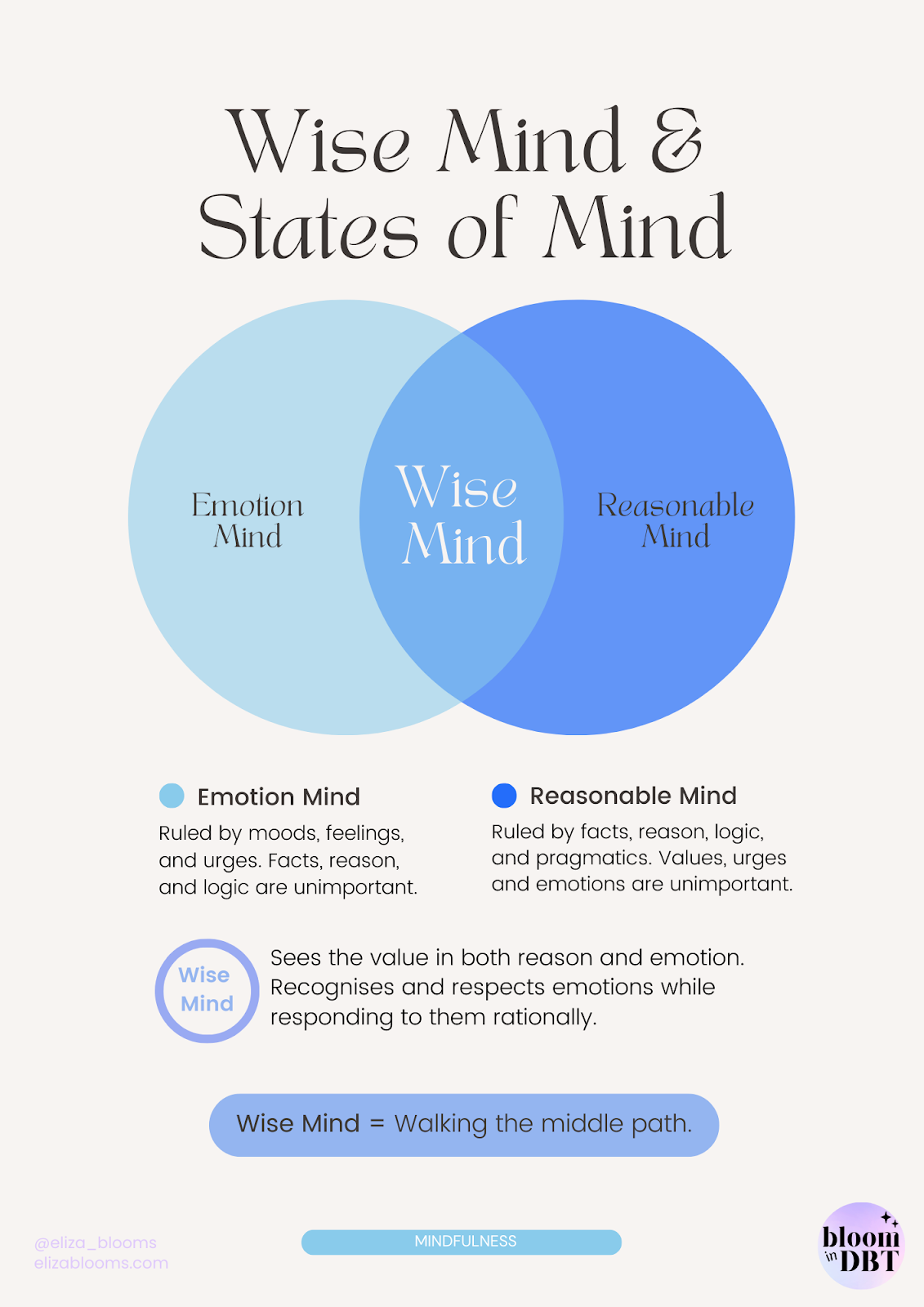
Image credit: Eliza Bloom, 2023. Read more.